

Learning about wine
Wine Tannins: A Journey through Flavor and Health
May
Tannins are natural compounds found in wine that play a crucial role in determining the wine’s structure and taste. These compounds not only influence the sensory experience of the taster but also offer health benefits due to their inclusion in the broader group of polyphenols.
What Are Tannins?
Tannins are polyphenols found in the skin, seeds, and stems of grapes. During the winemaking process, these compounds are extracted, imparting an astringent sensation and complex structure to the wine. Tannins are more prominent in red wines, where prolonged contact with the skins during fermentation increases their concentration.
This astringent sensation causes a sort of “dryness” in the mouth, an experience that can be pleasantly complex or, if unbalanced, excessive. Tannins act as natural preservatives, allowing wines to age well over time, developing deeper aromas and flavors.
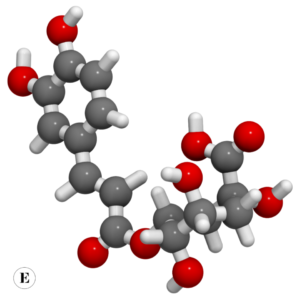
Polyphenols: A Treasure for Health
Polyphenols, including tannins, are chemical compounds that play a fundamental role in protecting human health. These natural compounds are known for their antioxidant properties, which help combat free radicals in the body, reducing the risk of chronic diseases such as cardiovascular diseases and certain types of cancer.
A glass of red wine a day, consumed in moderation, can contribute to increasing the intake of polyphenols, improving heart health and reducing inflammation. However, it’s essential to remember that excessive alcohol consumption can have negative health effects, so it’s important to maintain balance.
The Influence of Tannins on Wine Taste
Tannins significantly influence the taste and quality of wine. Wines with well-integrated tannins feel smooth and velvety, while an excess can make the wine aggressive and hard to appreciate. The perception of tannins can vary depending on the grape variety, terroir, and winemaking techniques used.
Wines like Cabernet Sauvignon and Nebbiolo are known for their high tannin content, often requiring an aging period to soften their structure. In contrast, wines like Pinot Noir tend to have more delicate tannins, offering a softer and more accessible tasting experience.
Conclusion
Wine tannins are an essential component that goes beyond mere taste, affecting the longevity and quality of the wine and offering health benefits through their antioxidant action. When it comes to wine, understanding the role of tannins and polyphenols can enhance the tasting experience and promote conscious and healthy consumption.
Choosing the right wine, appreciating its flavors, and recognizing the benefits of tannins not only enhances the pleasure of drinking but also contributes to a healthier approach to wine consumption.