
Learning about wine
The Role of Acidity in Wine: Essential for Taste and Preservation
May
The acidity level in wine is a crucial factor influencing its flavor, structure, and longevity. Understanding this concept not only enhances the tasting experience but is essential for anyone wishing to deepen their wine knowledge, whether as an experienced sommelier or a novice enthusiast.
 Understanding the Role of Acidity
Acidity in wine comes from natural acids in grapes and fermentation processes. The main ones are tartaric, malic, and citric acids, which contribute to the wine’s freshness and vibrancy, affecting its mouthfeel.
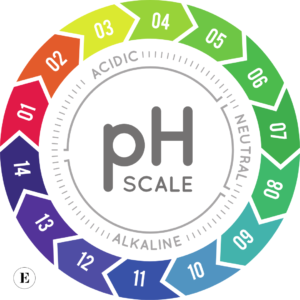
Measured by pH and total acidity (TA), a wine with low pH is generally more acidic and microbiologically stable. Total acidity reflects the concentration of acids present. Generally, white wines exhibit higher acidity than reds, enhancing their refreshing nature.
Impact on Flavor and Preservation
Balancing acidity is fundamental to a wine’s taste profile. A well-balanced wine offers a delightful palate experience, while excessive acidity can lead to sharpness, making the wine feel overly tart. Conversely, insufficient acidity might render the wine flat and uninteresting.
Acidity also plays a crucial role in enhancing fruity flavors and the perception of sweetness. In sweet wines, high acidity is essential to prevent the wine from becoming cloying, ensuring a harmonious balance. This vibrant freshness makes wines more lively and inviting.
From a gastronomic perspective, acidity is vital for successful food pairing. It can cut through the richness of creamy dishes, providing a refreshing contrast, while wines with moderate acidity pair well with lighter flavors, enhancing the overall dining experience.
Furthermore, acidity is critical for wine preservation. Wines with higher acidity levels tend to have a longer lifespan, as the acidic environment is hostile to microorganisms that can spoil the wine. This stability is one reason why certain white wines and sparkling wines, known for their acidity, can age well for many years. Moreover, acidity affects color stability in red wines, helping to maintain their vibrant and attractive appearance over time.
In conclusion, understanding and appreciating the role of acidity in wine can significantly enrich the tasting experience. It offers insights into the wine’s quality, balance, and aging potential, making it an essential consideration for both wine producers and consumers. Whether enjoying a glass on its own or pairing it with a meal, the acidity of wine plays an indispensable role in shaping its character and enjoyment.