
Curiosity
The Wine Labels: A Journey into Design and Regulation

Jul
believe we are all particularly attracted to the fantastic wine labels that crowd the shelves of wine shops. Classic, modern, provocative, and often evocative, these labels capture the attention of buyers. I admit that sometimes I let myself be influenced and find myself caressing the bottle, especially when there are unique prints.
However, it is important to remember that there are precise regulations regarding the information that must be indicated on the label. Today, I will try to list them all.
Mandatory Information
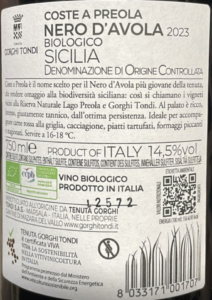
All mandatory information must be placed in the central visual field of the label, both on the front and back. Here we find the producer and the title assigned to the bottle. The name can include:
- Denomination
- Type
- Fancy name
- Vintage
If the wine falls under a denomination, the vintage must always be indicated. In the absence of a classification, the category to which it belongs will be reported, such as “red wine” or “white wine.” It is also essential to indicate the bottler; for quality wines, this almost always coincides with the producer and is written as “produced and bottled by…”.
The Vintage
The vintage is a crucial element, especially for great vintages and for enthusiasts of aged wines, representing in a sense the “signature” of the wine. However, it is prohibited for wines without a denomination. According to European regulations, if one wishes to indicate it, at least 85% of the grapes used must be harvested in the same vintage year as the wine’s production. Some producers who forego the designation may add the year to the lot number (e.g., L2023) on the back label.
Alcohol Content
On the back of the label, the alcohol content is indicated, one of the most frequently asked questions by customers at the time of purchase. Although the alcohol level can reveal much information, it is also essential to consider the philosophy of the producer. Some wines, especially reds with a high alcohol content, may indicate a particular vintage or the winemaker’s choice to produce a wine suitable for aging. It should be noted that alcohol does not increase over the years or with the aging of the wine, unlike taste and color.
Format, Sulphites, and Certifications
It is mandatory to indicate the bottle format (0.75 L, 1.50 L Magnum, etc.). The phrase “contains sulphites” must be present if the amount of sulphur dioxide exceeds 10 mg/l, except in some cases of natural wines, where sulphur is present in small amounts without manual addition. Additionally, if the wine has certifications such as Organic (Bio), PIWI, or belongs to producer groups like independent winemakers or Triple A, this information must be indicated.
Country of Production
The country of production must also be reported in the original language, with the possibility of adding translations. Some companies that export to Germany, for example, provide labels translated into German.
Starting from December 8, 2023, it is mandatory to indicate the list of ingredients and the nutritional declaration on the wine labels, making explicit the caloric content and nutritional values of the wine. The ingredients used, including specifications on additives and allergens, will be clearly listed.
Exception for Sparkling Wines
Labeling regulations for sparkling wines differ slightly from those for still wines. It is not mandatory to indicate the denomination in full, but the sugar content must be specified, and based on the production technique, other phrases may be added. For sparkling wines made using the Traditional Method, the lot identifies the disgorgement date rather than the bottling date.
It is true that sometimes we do not know which grape varieties are contained in a bottle for the reasons already mentioned. However, we can always consult the technical sheets, contact the producer directly, or ask us!
Elisa