
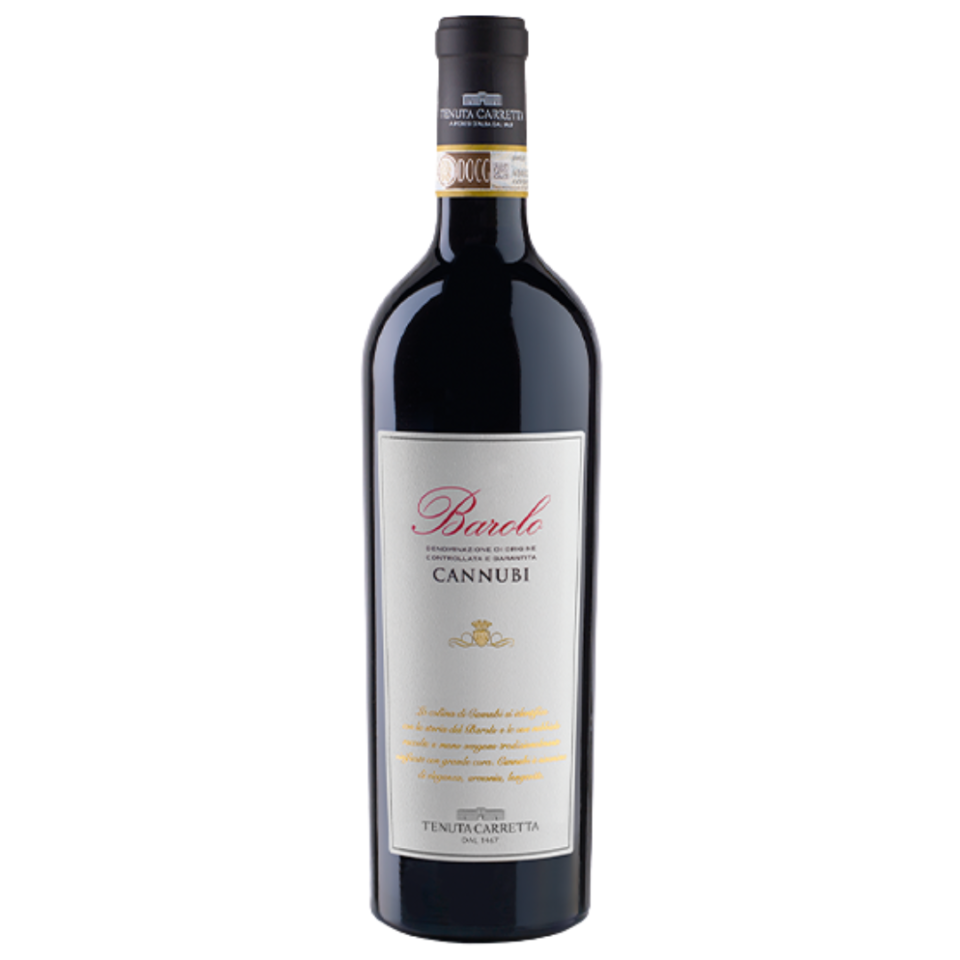
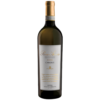
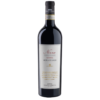

The wine Barolo Cannubi DOCG Riserva from Tenuta Carretta Winery
The Barolo Cannubi from Tenuta Carretta stands as an enological monument, a gem that embodies the quintessence of its terroir and artisanal mastery. It is not just any Barolo, but the most authentic expression of one of the world’s most legendary and celebrated crus: Cannubi. Its uniqueness is woven into an unparalleled tapestry of pedoclimatic factors that have, for centuries, shaped wines of incomparable nobility. Here, the Nebbiolo vineyards are caressed by an ideal exposure, naturally protected from the most impetuous winds and biting cold, allowing the grapes to ripen in perfect harmony. The soil, dating back to the Tortonian era, is a precious mosaic of sand and calcareous marls – the renowned “Sant’Agata Fossili marls” – which impart to Barolo Cannubi an extraordinary aromatic intensity, unparalleled depth, and a masterful balance between ethereal elegance and muscular power. Tenuta Carretta, with a vision that places the grape variety and its birthplace at the center, interprets this terroir with respect and innovation, offering a Barolo that is not only true to the vintage but also an ode to Cannubi’s immortal grandeur.
The Winemaking
The winemaking of Tenuta Carretta’s Barolo Cannubi combines tradition with precision, enhancing the superior quality of the Nebbiolo grapes. Alcoholic fermentation takes place with submerged cap maceration, extending for 15-20 days at a controlled temperature of 28°C. This process slowly extracts color, complex aromas, and noble tannins, essential for the wine’s structure and longevity. Subsequently, the wine first ages in oak tonneau and then in large oak botti for a minimum of 24 months. This dual phase of wood aging is crucial for the harmonization and development of its complexity. Bottling is followed by further bottle refinement, allowing the Barolo Cannubi to reach its full maturity before commercial release.
Tasting the wine by Tenuta Carretta
In the glass, Tenuta Carretta’s Barolo Cannubi presents a lively and intense garnet color, promising a magnificent sensory experience. On the nose, the bouquet is complex and enveloping: distinct floral notes of rose and hints of ripe fruit, such as cherry, are discernible. These initial perceptions are followed by elegant tertiary nuances of liquorice, cocoa, and spices, enriched by a balsamic touch. On the palate, the wine reveals its full grandeur: an imposing yet finely sculpted structure, characterized by a perfect acid-tannic balance. The tannins are present but extraordinarily silky and well-integrated, imparting exceptional elegance and gustatory persistence to the Barolo. It is a faithful and sublime expression of the legendary Additional Geographical Mention (MeGA) of Cannubi.
Food Pairings
To fully elevate the experience of Tenuta Carretta’s Barolo Cannubi, it is essential to choose gastronomic pairings that reflect its complexity and structure. Its decisive personality marries magnificently with robust and flavorful dishes. Imagine it alongside rich first courses such as a porcini mushroom risotto, traditional tajarin with white Alba truffle, or agnolotti del plin with a sumptuous roast meat sauce. It finds its highest expression with important main courses featuring red meats: think of a brasato al Barolo that amplifies its tertiary notes, succulent roasts, or premium cuts of beef. Game, both feathered and furred, is another ideal pairing, allowing the wine to showcase its ability to tame intense flavors. Do not overlook pairing it with aged, hard cheeses, such as a long-aged Parmigiano Reggiano or a Castelmagno, where the wine’s persistence perfectly balances the cheese’s richness. The optimal serving temperature is between 18-20°C (64-68°F). To allow Barolo Cannubi to best express its complex aromatic universe, it is highly recommended to open it at least an hour before serving, or, for older vintages, to decant it.
THE AWARDS
2018
– James Suckling 93/100
THE WINERY
Founded in 1467, Tenuta Carretta is one of Italy’s oldest wineries, located in the picturesque landscape of Piobesi d’Alba, in the heart of Roero, Piedmont. This winery is not only a symbol of tradition but also an example of how the past, present, and future can harmoniously coexist. … keep reading
| Denomination | |
|---|---|
| Brand | |
| Grape Variety | |
| Aging | |
| Wine Year | |
| Aging Potential | |
| Alcoholic content | |
| Service Temperature | |
| Bottle size | |
| Food pairing | cold cuts, hard cheeses, pasta and rise dishes with meat sauce, red meat, game |
You may also like…